Coconut Milk vs Coconut Cream: Which to Use
This post contains affiliate links. If you make a purchase through these links, we may earn a small commission at no extra cost to you.
Why This Distinction Matters for the Creami
Coconut milk and coconut cream are not the same thing, and using the wrong one in your Ninja Creami will produce noticeably different results. The difference comes down to fat content, and in frozen desserts, fat is everything. It determines whether your ice cream is smooth and scoopable or hard and icy. Getting this right is one of the simplest ways to improve your dairy-free Creami results.
The confusion is understandable because both products come in cans, look similar, and even come from the same coconut. But the fat content gap between them (17% vs 24%) creates a real texture difference once frozen. Understanding when to reach for each one gives you control over the creaminess of every recipe.
What Is Coconut Milk?
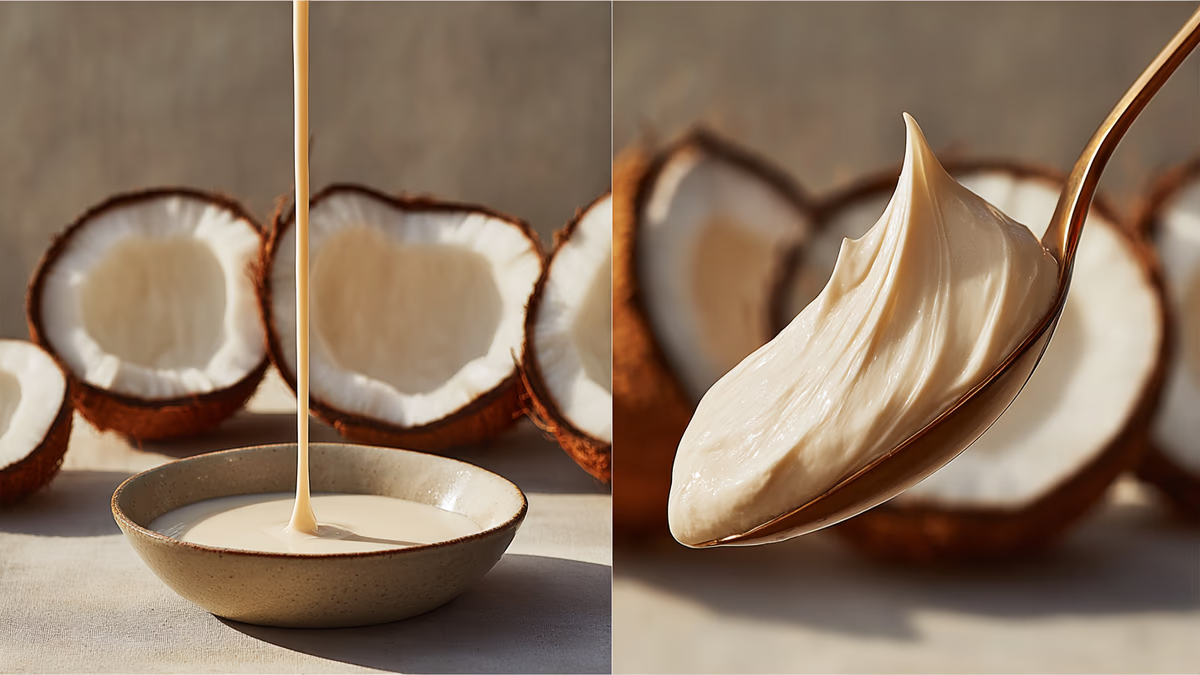
Canned coconut milk is made by pressing coconut meat with water, then straining out the solids. The result is a liquid with about 17-22% fat content depending on the brand. When you open a can, you will typically see two layers: a thick white cream on top and a thinner, more watery liquid on the bottom. This is natural separation, not a defect.
For most Creami recipes, you want to shake the can vigorously before opening to recombine these layers into a uniform liquid. This gives you the full 17-22% fat distributed evenly throughout your base. If you pour from an unshaken can, you will get inconsistent results because the fat content varies from pour to pour.
Coconut milk is the right choice when you want coconut flavor with moderate richness. It produces ice cream that is lighter and more refreshing than heavy cream-based recipes, with enough fat to avoid iciness when processed correctly. It works especially well for sorbets, lighter frozen treats, fruit-based recipes, and any time you want the coconut to complement rather than dominate.
What Is Coconut Cream?
Coconut cream is the thick, concentrated layer that forms at the top of an unshaken can of coconut milk. It has a fat content of 22-35% depending on whether you scoop it from a regular can or buy a dedicated coconut cream product. It is essentially coconut milk with most of the water removed.
You can get coconut cream two ways: buy a can labeled "coconut cream" (brands like Aroy-D and Thai Kitchen sell it separately), or refrigerate a regular can of coconut milk overnight, open it without shaking, and scoop the solid white cream from the top. The watery liquid underneath can be saved for smoothies or soups.
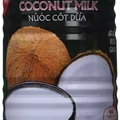 Aroy-D Coconut MilkHigh-fat canned coconut milk for rich dairy-free bases
View on Amazon →
Coconut cream is the right choice when you want maximum richness and the closest texture to dairy ice cream. It produces dense, gelato-like results with a luxurious mouthfeel. The higher fat content means fewer ice crystals, better scoopability straight from the freezer, and a more satisfying overall texture.
Head-to-Head Comparison
| Coconut Milk | Coconut Cream | |
|---|---|---|
| Fat content | 17-22% | 22-35% |
| Texture in Creami | Light, refreshing | Dense, gelato-like |
| Best for | Sorbets, lighter ice cream, fruit bases | Rich ice cream, gelato, replacing heavy cream |
| Scoopability | Good (may need 2 Re-Spins) | Excellent |
| Coconut flavor | Moderate | Pronounced |
| Calories per cup | ~450 | ~600-800 |
| How to use | Shake can, pour all | Don't shake, scoop cream only |
Common Mistakes
Using Light Coconut Milk
Light or reduced-fat coconut milk has been diluted with water to bring the fat content down to 5-7%. This is fine for curries and soups where the liquid evaporates during cooking, but in the Creami it produces hard, icy results that no amount of Re-Spinning can fix. The water content is simply too high. Always use full-fat canned coconut milk.
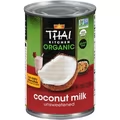 Thai Kitchen Coconut MilkWidely available, reliable quality, slightly thinner than Aroy-D
View on Amazon →
Using Carton Coconut Milk
The coconut milk sold in cartons in the refrigerated section (or shelf-stable Tetra Paks) is a completely different product. It has a fat content of only 2-4% because it is heavily diluted for drinking. It is essentially coconut-flavored water. Never use carton coconut milk in the Creami. Always use canned.
Shaking When You Need Cream
If a recipe calls for coconut cream and you shake the can before opening, you have remixed the cream with the water and no longer have coconut cream. You have coconut milk. Refrigerate the can overnight, open carefully, and scoop only the solid white layer.
Not Shaking When You Need Milk
The opposite mistake: pouring from an unshaken can when the recipe calls for coconut milk. The first pour will be mostly thick cream (too rich), and the last pour will be mostly water (too thin). Shake vigorously for 30 seconds before opening.
Recipes Where the Choice Matters Most
Use Coconut Milk For:
- Tropical fruit sorbets (mango, pineapple, passion fruit). The lighter body lets the fruit shine.
- Frozen yogurt bases where you are mixing coconut milk with Greek yogurt. Full coconut cream would make it too rich.
- Smoothie bowls where you want a lighter, more refreshing result.
- Any recipe where coconut is a background flavor, not the star.
Use Coconut Cream For:
- Vanilla bean ice cream where you need the fat to carry the vanilla and create a creamy mouthfeel.
- Chocolate ice cream where the cocoa absorbs fat and needs extra richness to avoid dryness.
- Coffee and espresso ice cream where the bitter notes need the fat to balance them.
- Any recipe that says "replace heavy cream" because coconut cream is the closest dairy-free equivalent.
Mixing Both for the Best Results
Many experienced Creami users mix coconut milk and coconut cream in the same recipe to fine-tune the richness. A common ratio is 2/3 coconut milk to 1/3 coconut cream, which gives you the richness of cream-based ice cream without the heaviness that pure coconut cream can bring.
This blending approach works especially well for flavors where you want a creamy texture but do not want the coconut flavor to dominate. The coconut milk provides the liquid volume while the cream provides the fat for texture. Experiment with ratios to find your preferred balance.
Storage Tips
- Unopened cans: store in a cool, dark pantry. Shelf life is 2-3 years.
- Opened coconut milk: transfer to an airtight container and refrigerate. Use within 5 days.
- Opened coconut cream: refrigerate and use within 3 days. It thickens further when cold.
- Frozen: both coconut milk and cream freeze well. Pour into ice cube trays for convenient portioning. Frozen coconut milk cubes can go directly into the Creami pint.