Fresh Fruit vs Frozen: When to Use Each
This post contains affiliate links. If you make a purchase through these links, we may earn a small commission at no extra cost to you.
The Quick Answer
Use fresh fruit when it is in season, ripe, and looks incredible at the market. Use frozen fruit the rest of the year. Both make excellent Creami treats, but they behave differently in recipes, and knowing when to reach for each one saves you money, reduces waste, and produces better results.
This is not a debate with a single winner. Fresh and frozen fruit serve different purposes in different recipes. The goal is to understand why so you can make the right call every time instead of guessing.
Why Frozen Fruit Is Often Better Than Fresh
This surprises a lot of people, but frozen fruit is frequently the superior choice for Creami recipes. Here is why.
Flash-Frozen at Peak Ripeness
Commercial frozen fruit is harvested at peak ripeness and flash-frozen within hours. The fruit you buy fresh at the supermarket was often picked before it was fully ripe so it could survive shipping and shelf time. A bag of frozen strawberries from the freezer section was typically riper when harvested than the fresh strawberries sitting in the produce aisle. Riper fruit means more sugar, more flavor, and more vibrant color.
Consistent Quality Year-Round
Fresh strawberries in January are pale, sour, and expensive. Frozen strawberries in January are the same quality as frozen strawberries in July because they were all frozen at peak season. For Creami owners who make treats year-round, frozen fruit eliminates the seasonal quality rollercoaster.
Better Value
Frozen fruit is almost always cheaper per pound than fresh, especially for berries, tropical fruits, and stone fruits. A 2-pound bag of frozen mixed berries costs about the same as a single pint of fresh blueberries. When you are making 4-5 pints of sorbet a week, this price difference adds up fast.
Less Waste
Fresh fruit goes bad. You buy a basket of peaches with the best intentions, life gets busy, and three days later half of them are overripe and heading for the compost. Frozen fruit waits in the freezer until you need it. Zero pressure, zero waste.
Pre-Prepped
Frozen fruit comes washed, peeled (in the case of mango and pineapple), and cut into pieces. Fresh fruit requires washing, peeling, coring, and cutting before you can blend it into a base. The convenience factor is real, especially on a busy weeknight.
When Fresh Fruit Is the Clear Winner
Peak Season Flavor
Nothing beats a perfectly ripe peach, a sun-warmed strawberry from the farmer's market, or a mango that drips juice when you cut it. When fresh fruit is genuinely at its peak, the flavor is more complex, more aromatic, and more nuanced than anything frozen can deliver. If you have access to truly excellent fresh fruit, use it.
Peak seasons to watch for:
- Strawberries: late spring to early summer (May-June)
- Peaches and nectarines: mid to late summer (July-August)
- Blueberries: summer (June-August)
- Raspberries: summer (June-September)
- Mangoes: spring to summer (March-July)
- Cherries: early to mid summer (June-July)
Fruit Swirls and Compotes
When you want visible ribbons of fruit running through your ice cream, fresh fruit gives you more control. You can cook fresh fruit into a compote (fruit, sugar, and lemon juice simmered until thick), let it cool, and layer it into the pint before freezing. The compote holds its shape as a distinct ribbon rather than blending into the base.
Frozen fruit works for compotes too, but it releases more water during cooking because the cell walls were broken during freezing. This means you need to cook it longer to reduce the extra liquid, and the texture is slightly less vibrant.
Delicate Garnishes
Fresh fruit on top of a finished smoothie bowl or ice cream serving looks dramatically better than thawed frozen fruit. Fresh berries hold their shape, fresh banana slices have a clean cut edge, and fresh kiwi slices glow green. Thawed frozen fruit is mushy and releases juice. Always use fresh fruit for garnishing.
Fruit-by-Fruit Breakdown
Strawberries
Fresh: Use when you find truly ripe berries with deep red color all the way through. Blend them into your base raw for the freshest flavor, or cook into a compote for a more concentrated, jammy strawberry taste.
Frozen: An excellent choice year-round. Frozen strawberries produce a deeper red color than most fresh berries because they were picked riper. Blend directly into your base from frozen, then pour into the pint and freeze. No need to thaw first.
Verdict: Frozen wins 9 months of the year. Fresh wins during peak summer season.
Blueberries
Fresh: Beautiful as a topping but somewhat mild when blended into a base. Fresh blueberries can be mealy and inconsistent in sweetness.
Frozen: More consistent flavor and color. Frozen blueberries produce a stunning purple color in ice cream and sorbet. The cell wall breakdown from freezing actually helps release more juice and color during blending.
Verdict: Frozen wins for bases. Fresh wins for toppings and mix-ins.
Mangoes
Fresh: A perfectly ripe mango is unbeatable. The problem is finding one. Most grocery store mangoes are rock-hard and need days on the counter to ripen. When they finally ripen, you have about 48 hours before they are overripe.
Frozen: Frozen mango chunks are a lifesaver. They are already peeled, cut, and frozen at peak ripeness. The flavor is excellent and the convenience is unmatched. For smoothie bowls and sorbet, frozen mango is the practical choice.
Verdict: Frozen for convenience and consistency. Fresh only when you find a truly ripe one.
Bananas
Fresh, then frozen yourself: This is the one fruit where you should buy fresh and freeze it yourself. Peel ripe bananas (with brown spots), slice into coins, and freeze on a sheet pan before transferring to a bag. Home-frozen banana coins are the backbone of smoothie bowls and add natural creaminess to any base.
Store-bought frozen: Not recommended. Pre-frozen banana chunks are often not ripe enough and cost significantly more than buying fresh bananas and freezing them yourself.
Verdict: Buy fresh, freeze yourself. Always.
Peaches
Fresh: Spectacular in season. A ripe peach makes the best peach ice cream and sorbet you will ever taste. The problem is that peach season is short (about 6 weeks) and fresh peaches bruise easily.
Frozen: Good but not great. Frozen peaches lose some of the delicate floral quality of fresh. They work well in smoothie bowls and as a base for sorbet, but the result is noticeably less nuanced than peak-season fresh peach ice cream.
Verdict: Fresh during summer. Frozen the rest of the year when a peach craving hits.
Raspberries
Fresh: Fragile, expensive, and go bad within 2 days. But when they are fresh and perfect, the flavor is incredible.
Frozen: Excellent for bases. Frozen raspberries release more juice during blending, giving you a deeper flavor and more vibrant color. They also cost a fraction of fresh.
Verdict: Frozen for bases, always. Fresh only for garnishing.
Working with Frozen Fruit in Creami Recipes
For Ice Cream Bases
Blend frozen fruit directly into your cream base without thawing. The frozen fruit helps chill the base, and since you are about to freeze the whole pint anyway, there is no reason to thaw first. Blend until completely smooth, then pour into the pint and freeze 24 hours.
For Sorbets
Frozen fruit is ideal for sorbets because it is already cold, already sweet (from peak ripeness), and already prepped. Blend frozen fruit with sugar, a squeeze of lemon juice, and just enough water to get the blender moving. The base should be thick but pourable. Freeze 24 hours.
For Smoothie Bowls
Use frozen fruit exclusively for smoothie bowl bases. The frozen state of the fruit is what gives smoothie bowls their thick, scoopable texture after processing. Thawed or fresh fruit produces a thinner, less satisfying result.
Straining Seeds
Whether you use fresh or frozen berries, always strain the base through a fine mesh sieve if you want smooth ice cream or sorbet. Raspberry and blackberry seeds are the most noticeable. Strawberry seeds are small enough that most people do not mind them. Blueberry skins blend smooth enough that straining is optional.
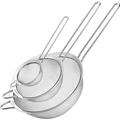 Cuisinart Fine Mesh Strainers (Set of 3)Three sizes of fine mesh — strains berry seeds out of sorbet bases in seconds
View on Amazon →
The Hybrid Approach
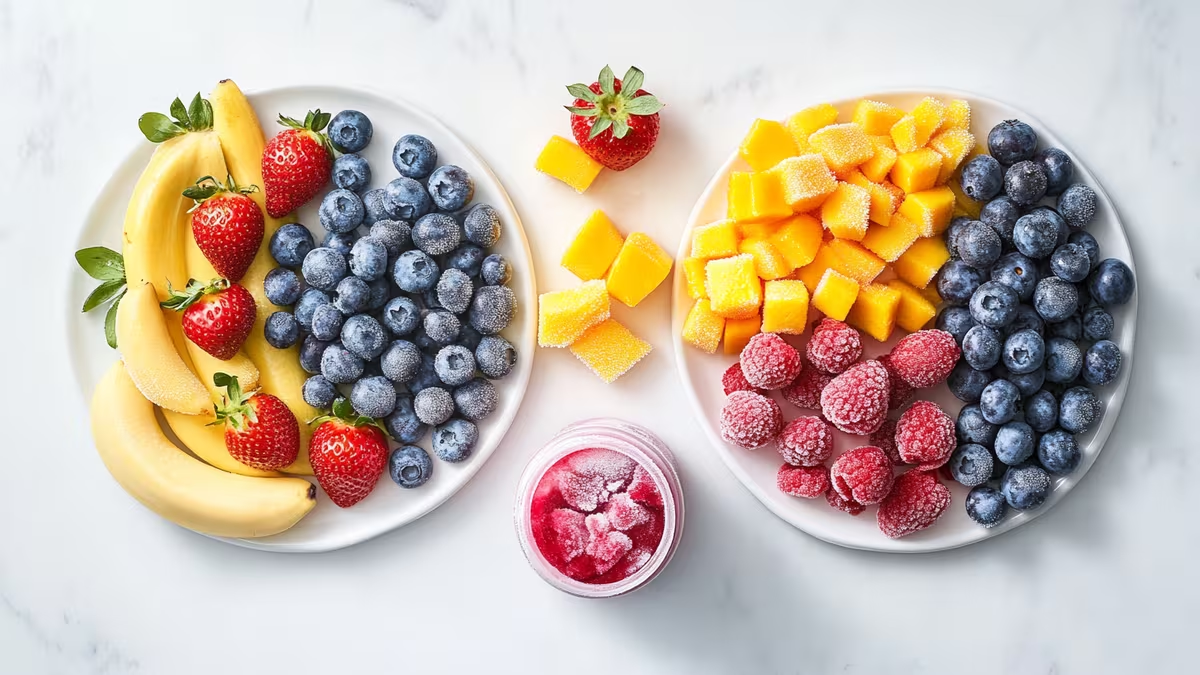
The best Creami results often come from combining fresh and frozen fruit in the same recipe. Use frozen fruit for the base (consistent quality, good value) and fresh fruit for garnishing, swirls, and toppings (best appearance, peak flavor). This gives you the best of both worlds without the waste or expense of using fresh fruit exclusively.